What Do Dance Classes at Nandini Sangeet Kala Kendra Cover?
Our dance training provides systematic education across three core areas: 1) Kathak Classical Dance (Tatkar rhythmic footwork, Teental cycles, Hasta Mudras, pirouettes/chakkars, Tukras, and expressive Abhinaya); 2) Kumaoni Regional Dance (traditional folk movements, festive celebration styles, and cultural programme choreography); and 3) Performance & Competition Mentorship (special arrangements for holiday workshops and youth competition readiness). Batches are specifically organized for young children, absolute adult beginners, and intermediate dancers.
The Foundations & Philosophy of Kathak
Derived from the Sanskrit word Katha (meaning story), Kathak is an ancient classical dance form of Northern India that evolved from devotional temple storytellers (Kathakars) into an intricate, highly sophisticated stage art.
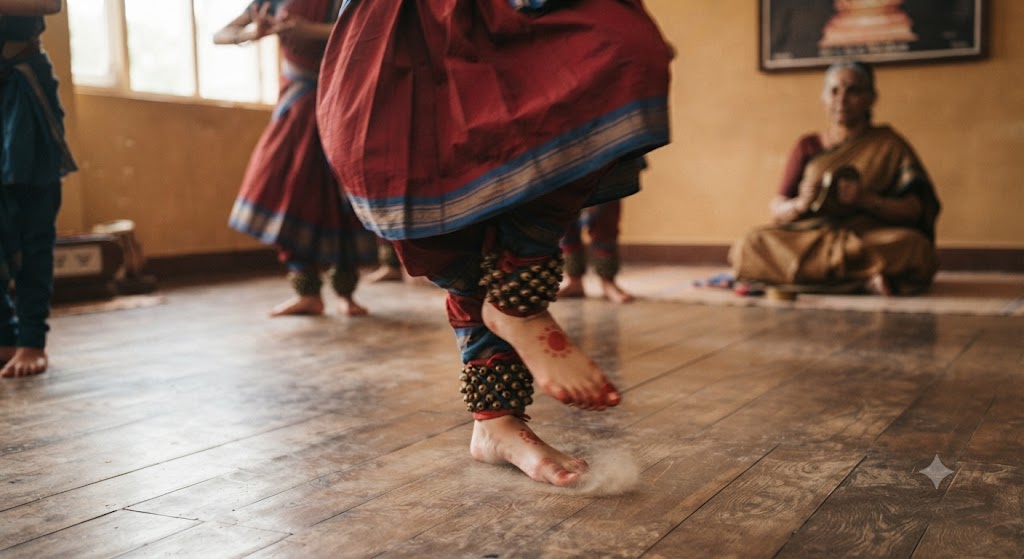
1. Tatkar & Rhythmic Footwork
Tatkar forms the rhythmic heartbeat of Kathak. It is the practice of producing clear, resonant rhythmic cycles through disciplined flat-foot strikes against the floor, amplified by the chime of 100 to 150 brass ghungroos tied around each ankle.
Students begin by mastering the fundamental eight-beat and sixteen-beat foot patterns set to Teental (Dha Dhin Dhin Dha / Dha Dhin Dhin Dha / Dha Tin Tin Ta / Ta Dhin Dhin Dha). Through daily practice, students progress through three fundamental speeds of rhythm (Laya):
- Vilambit Laya (Slow Tempo): Cultivating balance, clean heel-and-toe impact, and steady breath control.
- Madhya Laya (Medium Tempo): Achieving synchronization between vocal recitation of bols and foot movement.
- Drut Laya (Fast Tempo): Developing cardiovascular stamina, lightning reflexes, and crisp foot clarity.
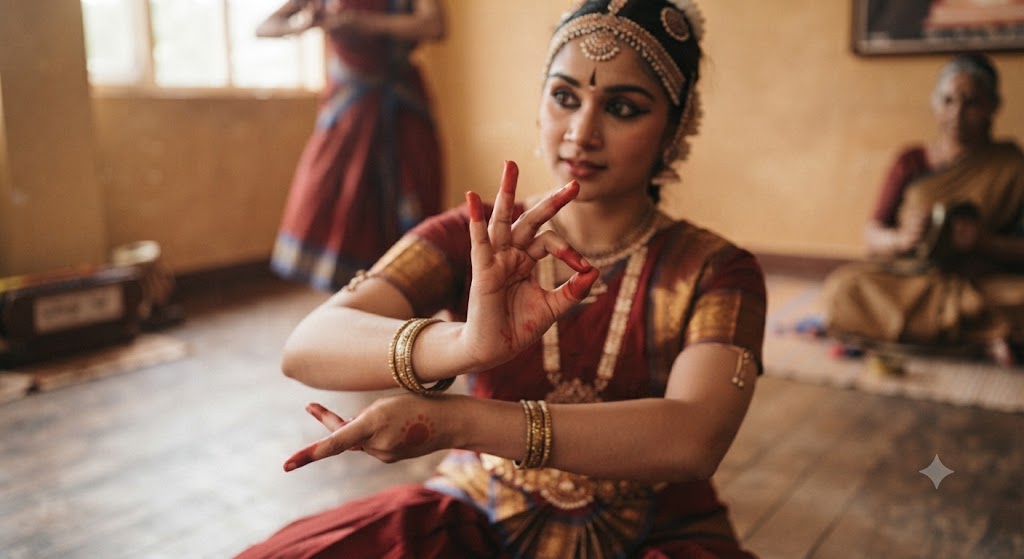
2. Hasta Mudras & Upper-Body Geometry
The upper body in Kathak provides graceful contrast to the dynamic footwork below. We teach students the classical hand gestures codifying the ancient text of the Abhinaya Darpana:
- Asamyuta Hastas (Single-Hand Gestures): Pataka (flag), Tripataka, Ardhapataka, Kartarimukha, Mayura (peacock), Alapadma (blooming lotus), and Hamsasya.
- Samyuta Hastas (Combined-Hand Gestures): Anjali (salutation), Kapota, Karkata, and Swastika, used for symbolic depictions.
- Anga Shuddhi (Physical Precision): Straightening the spinal axis, holding elbows at the classical chest-level plane, and ensuring clean linear arm extensions.
Through careful mirror practice and individual physical correction, students eliminate clumsy angles and embody effortless regal poise.
3. Chakkars (Pirouettes) & Spotting Mastery
The swift, dazzling spins known as Chakkars are one of Kathak's most electrifying signatures, especially prominent in the Jaipur Gharana tradition. Ms. Sonika Joshi breaks down this demanding technique into step-by-step biomechanical principles:
Students learn to pivot smoothly on the heel and ball of the foot while engaging the core muscles. They practice "spotting"—fixing their gaze on a single focal point before and after every turn—preventing dizziness even during sequences of 9, 16, or 27 consecutive chakkars. The hallmark of true mastery is landing with absolute stillness precisely on the Sam (the climactic first beat of the rhythmic cycle).
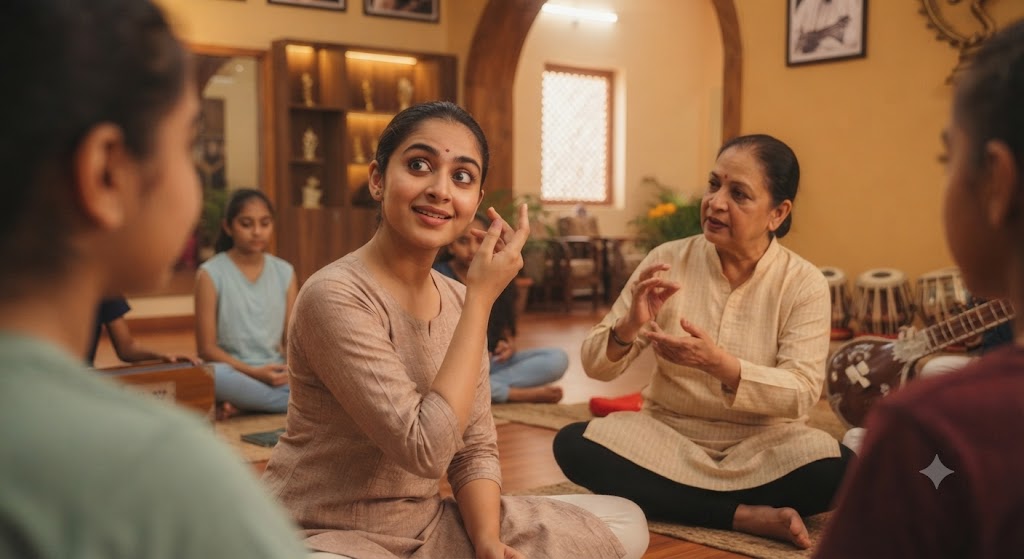
4. Abhinaya & Navarasas (Facial Expressions)
Technical brilliance without emotional soul is hollow. Abhinaya is the expressive heart of Indian classical dance, where the dancer translates poetry, devotion, and dramatic narratives through eye movements, eyebrow twitches, neck tilts, and micro-expressions.
Students learn the Navarasas (nine classical emotions): Shringara (love/beauty), Hasya (joy/mirth), Karuna (compassion), Raudra (anger), Veera (courage), Bhayanaka (fear), Bibhatsa (disgust), Adbhuta (wonder), and Shanta (peace). Through expressional items such as Vandanas, Thumris, and Gat Nikas, learners explore storytelling depth.
Progressive Learning Levels in Kathak
A transparent overview of how students advance from initial rhythm discovery to complete classical repertoire.
| Level | Focus Areas | Rhythmic & Technical Milestones | Repertoire & Repertoire Pieces |
|---|---|---|---|
| Foundational (Beginners & Young Children) | Posture (Arambh), Anga Shuddhi, Basic Tatkar, Single-hand Mudras | Teental in Vilambit and Madhya Laya; basic foot stamping on 16 beats | Guru Vandana, simple Salami, basic Tihai formations |
| Intermediate (Teens & Adult Learners) | Ghungroo mastery, Chakkars (5 to 9 spins), combined Mudras, Gat Nikas | Madhya and Drut Laya transition; introduction to Dadra and Keharwa taals | Aamad, Toda, Tukra, Kavit, structured Gat Bhav narratives |
| Advanced & Performance Stage | Complex Parans, Layakari (Thaah, Dugun, Chaugun), nuanced Abhinaya, Thumri | Multi-spin chakkars, intricate rhythmic subdivisions, solo stage presentation | Tarana, Thumri Abhinaya, customized competition pieces, solo Manch Pravesh |
Preserving the Soul of Kumaoni Folk Dance
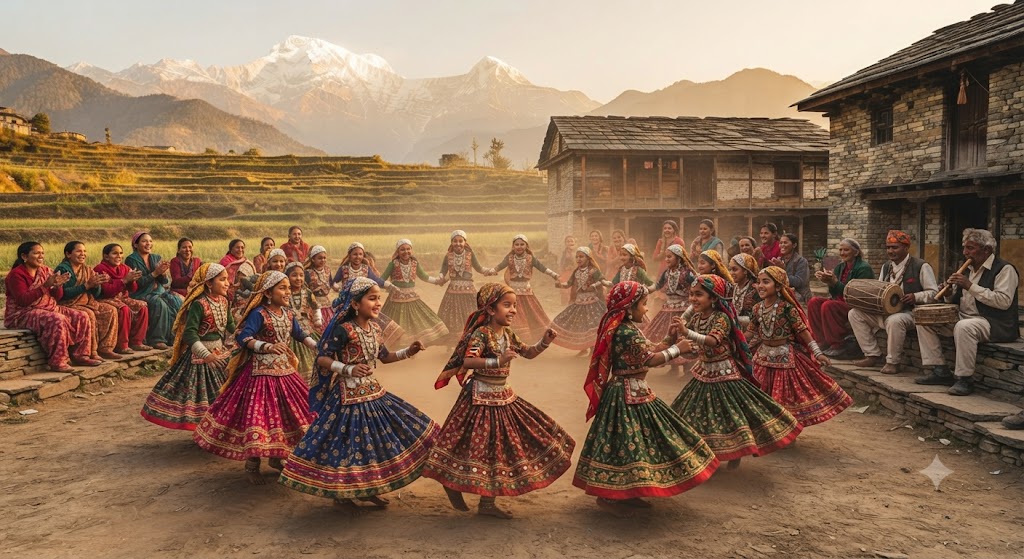
The hill state of Uttarakhand possesses an enchanting tapestry of folk dances that celebrate harvest cycles, mountain deities, sacred seasonal festivals such as Phool Dei and Harela, and timeless communal bonds. At Nandini Sangeet Kala Kendra, we place profound emphasis on honoring and transmitting authentic Kumaoni dance traditions to future generations.
Jhora & Chanchari
Traditional community circle dances featuring fluid interlocking footsteps, synchronized swaying, and responsive call-and-response folk verses.
Chholiya Rhythm
Dynamic festive rhythms inspired by Kumaun's ancient martial tradition, expressing joyous wedding processions, brass ransinghas, and celebratory vitality.
Pichhaura & Attire
Training dancers to perform with effortless elegance while draped in traditional Kumaoni saffron-red Pichhauras and authentic cultural jewelry.
Stage & Youth Festivals
Preparing high-impact, synchronized group presentations for school annual days, district competitions, and state Uttarakhand cultural assemblies.
By grounding students in both the classical grammar of Kathak and the joyful spirit of Kumaoni folk arts, Nandini Sangeet Kala Kendra bridges traditional classical depth with the living spirit of the Himalayas.
Holiday Dance Workshops & Competition Preparation
Specialized short-term and high-intensity coaching designed for distinct learner objectives.
Holiday & Short-Term Dance Classes
For families visiting Kathgodam or Haldwani during vacation periods, or school students wanting to make fruitful use of summer and winter breaks, Nandini Sangeet Kala Kendra arranges short-term dance classes during holidays.
These accelerated modules concentrate on:
- Core rhythm awareness and fundamental foot-tapping cycles
- Learning one complete semi-classical or folk composition
- Gentle physical conditioning, flexibility, and stage posture
- A productive, creative escape from digital screens and sedentary routines
Sessions can be coordinated individually or in small batches depending on seasonal availability.
Enquire for Vacation BatchesSpecial Dance Competition Preparation
Dance competitions require an exceptional balance of technical cleanliness, stage composure, dramatic timing, and musical adaptation. Special arrangements can be made for dance competition preparation at our academy.
Our preparation modules encompass:
- Choreography Development: Crafting unique classical or semi-classical routines tailored to the student's personal strengths.
- Rhythm Mastery: Rigorous rehearsal with audio tracks and live percussion to prevent rushing or dragging the beat.
- Expressive Nuance: Training eye contact, facial projection, and emotional authenticity (Abhinaya).
- Stage Presence & Confidence: Overcoming performance anxiety through mock stage simulations.
Professional transparency: While we impart intensive, disciplined preparation, we do NOT make false claims of guaranteed victories, as competitive outcomes are governed by individual dedication and external judging panels.
Enquire for Competition CoachingDance Learning for Every Life Stage
We structure our learning environment to respect the physical stamina and artistic goals of each age group.
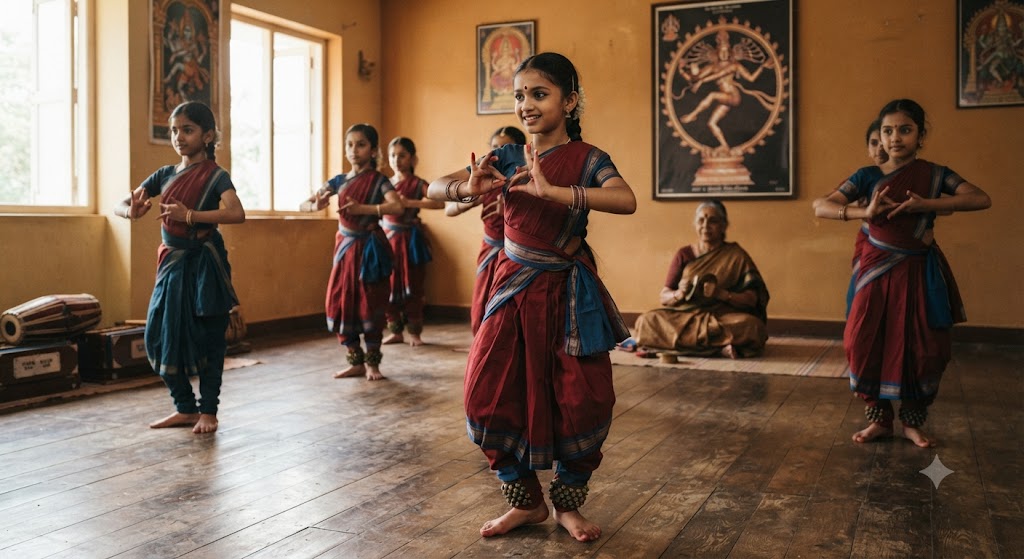
Children & Young Learners
Children develop rhythmic sensitivity, neurological coordination, memory power, and emotional stability. Classical dance instills lifelong poise and physical discipline that benefits academic focus.
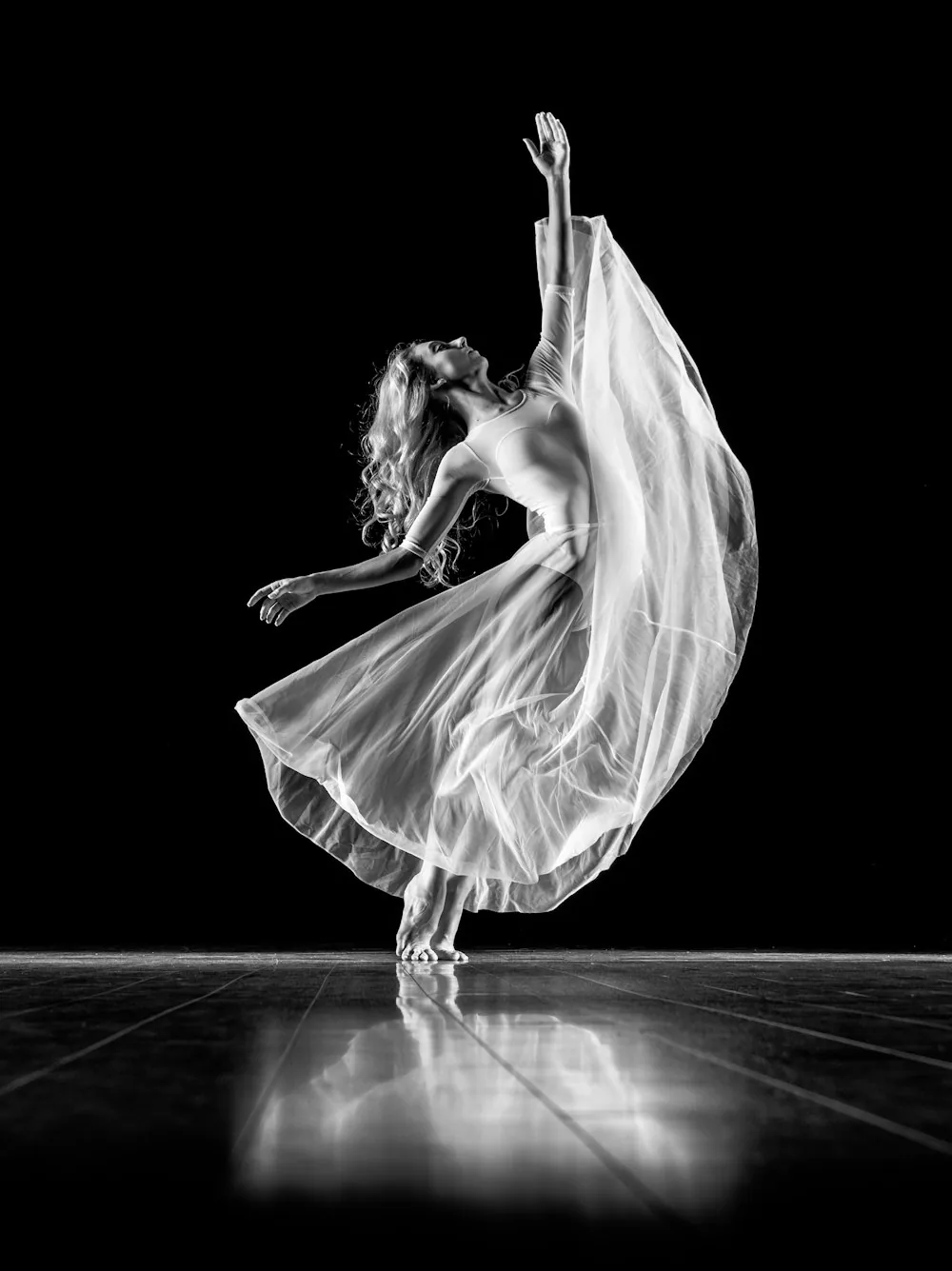
Beginners of Any Age
You are never too old to begin. Our patient, step-by-step guidance ensures that adult beginners never feel overwhelmed. You will learn fundamental posture, footwork, and hand movements in a supportive space.

Stage & Performance Aspirants
For learners preparing for public recitals, temple festivals, cultural functions, or school celebrations, we provide specialized rehearsal blocks focusing on stamina, transitions, and stage geometry.
Dance Classes FAQ
Detailed answers to common questions about our Kathak and classical dance batches in Kathgodam–Haldwani.
Children can comfortably begin foundational dance learning around 5 to 6 years of age. At this age, classes focus on rhythm awareness, body coordination, storytelling, and simple hand mudras.
Beginners start their first few weeks practicing Tatkar bare-footed to develop foot striking technique without ankle strain. Once fundamentals are established, our instructor will guide you on purchasing the appropriate weight and bell-count (typically 50 to 100 bells per foot for beginners).
Comfortable traditional attire that allows unrestricted movement is ideal. For women and girls, a simple cotton kurta with leggings/salwar and a dupatta pinned at the waist is recommended. For men and boys, loose cotton kurta-pajama or track trousers with a comfortable tee.
Yes. We regularly arrange short-term holiday dance classes during summer and winter breaks for students visiting Haldwani, Kathgodam, or nearby hill areas of Nainital.
Students preparing for school, inter-college, or regional competitions can request specialized coaching. We work on custom music track editing, choreography, expressive storytelling, and stage rehearsals.
Classes are conducted at C/o Harish Joshi, Aadarsh Colony, opposite Railway Station Road, behind Roadways Workshop, Kathgodam–Haldwani.
Discover the Grace of Classical Kathak
Enrol in our ongoing Kathak, Indian classical, or Kumaoni dance batches. Reach out via WhatsApp or submit your enquiry to schedule a consultation with Ms. Sonika Joshi.